


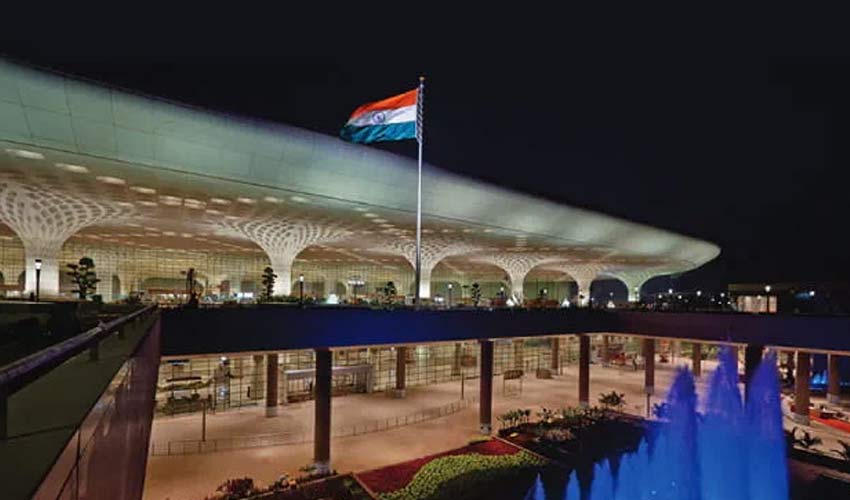
At CSMIA, this capacity transition will also facilitate two additional joint objectives. First, it will create room for IndiGo’s continued international expansion in 2027, enabling the launch of new services across Asia, Africa and Europe using its expanding fleet of A320/321 and A321XLR during 2027, without placing further pressure on a capacity constrained airport. Second, the associated transition of domestic operations will also support IndiGo’s share of the capacity reductions required to enable the redevelopment of CSMIA T1 by 2030. IndiGo and AAHL will continue to work together to ensure that any further adjustments required to IndiGo’s services at CSMIA T1, to enable the redevelopment, will be accommodated in CSMIA T2.
The phased transition is intended to support a transparent, equitable and proportionate rebalancing of capacity across Mumbai’s dual airport system, taking into account each airline’s presence at CSMIA. This balanced approach will help facilitate an orderly transition for all carriers, minimize operational disruption and provide greater planning certainty for airlines and passengers as NMIA scales up and CSMIA progresses with its redevelopment.
IndiGo will announce final dates for the transition of services to NMIA and introduction of new services to CSMIA after completion of final project coordination and relevant operating approvals are secured.
The phased transition will materially expand connectivity from NMIA and further expand international reach from CSMIA, thereby providing passengers across the Mumbai Metropolitan Region with stronger twin-airport access to broader range of domestic and international travel.
This news/story/article has not been written/edited by World Media Organization and is sourced from a syndicated feed.